Tag: Coen

  • Hot Summer Stop in Chiltern

    Hot Summer Stop in Chiltern

    I’m on my way home from a trip up to Tallangatta, a town on the Hume Lake near Wodonga. And, on our way back to the Dandenong Ranges, it was a must to stop in Chiltern.

    Chiltern is a small sleepy town about 3 hours north of Melbourne. Situated half an hour from Wodonga, it’s a birdwatching jewel surrounded by the Chiltern-Mt Pilot National Park and the box-ironbark forest. It is also one of the best spots in Victoria to see Regent Honeyeater, a critically endangered bird. So, as we turned off the highway to Chiltern, I hoped but I knew it was very unlikely.


    We drove through the main street, past historic brick buildings and pulled into the information centre. Inside, I picked up a brochure titled ‘Bird Walks Of Chiltern’ and asked about the best spots to go birding. The friendly man recommend Lake Anderson, a lake just across the road with promises of some good waterbirds. Then, he mentioned Cyanide Dam, in Chiltern-Mt Pilot National Park, about a 10 min drive from the information centre. As I said “Thanks” he stopped me and said “Isn’t there one thing you haven’t asked me?” Immediately I responded “Regent Honeyeaters?” “Cyanide Dam is the spot” he replied

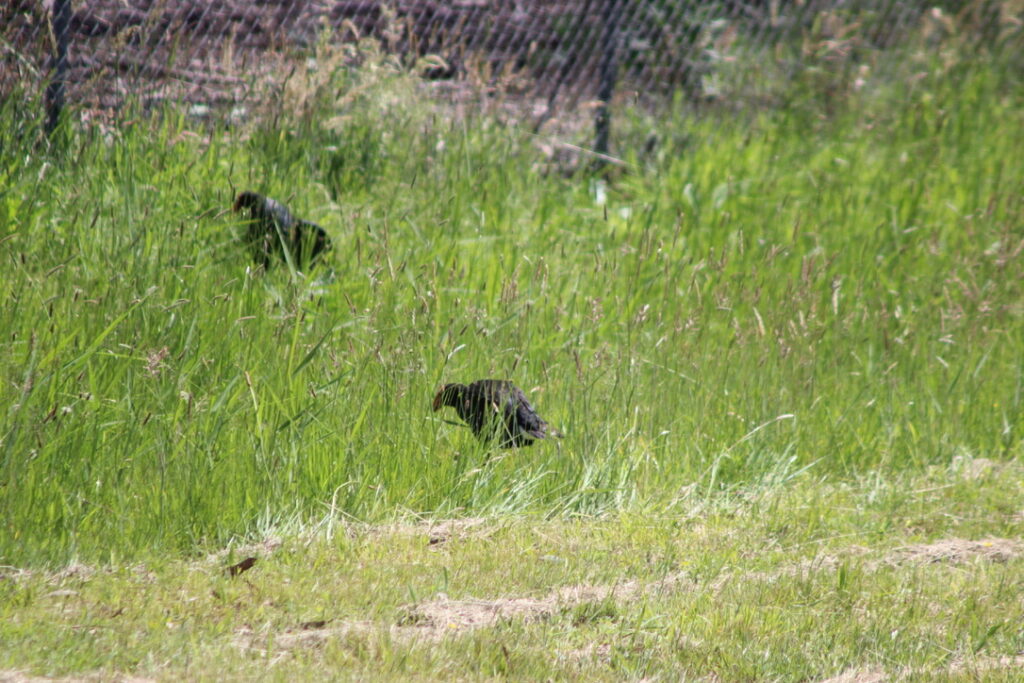
    So, after a bakery lunch we strolled over to Lake Anderson. A gravel track lead from the carpark, around the lake and an arrangement of european trees surrounded the lake. The lake itself was dried out, but upon display of birds were feeding in the mud. A Great Egret plunged it’s beak into the mud, while being surrounded by Dusky Moorhens and White-faced Herons doing the same. A magpie warbled and a few Magpie-larks flew past. Yellow-billed Spoonbills wandered about and Australian Pelican floated on the small puddles of water left in the lake. As we moved to shade from the burning sun, and curious Grey Fantail shared our refuge. Australiasian Swamphens strutted on the banks and a Straw-necked Ibis flew over. Superb Fairy Wrens and Rufous Whistlers called and A number of Eurasian Coots and Grey Teals floated on the water. Masked Lapwings ran about next to Pacific Black Ducks waddling. And finally, a small plover like bird scuttled about. “Whats that?” I exclaimed. After examining it with my bird book, it turned out to be a Black-fronted Dotterel dragging it’s wing about to distract us from its nest. My first lifer of the day! I left feeling quite accomplished.


    Check out the Lake Anderson eBird checklist


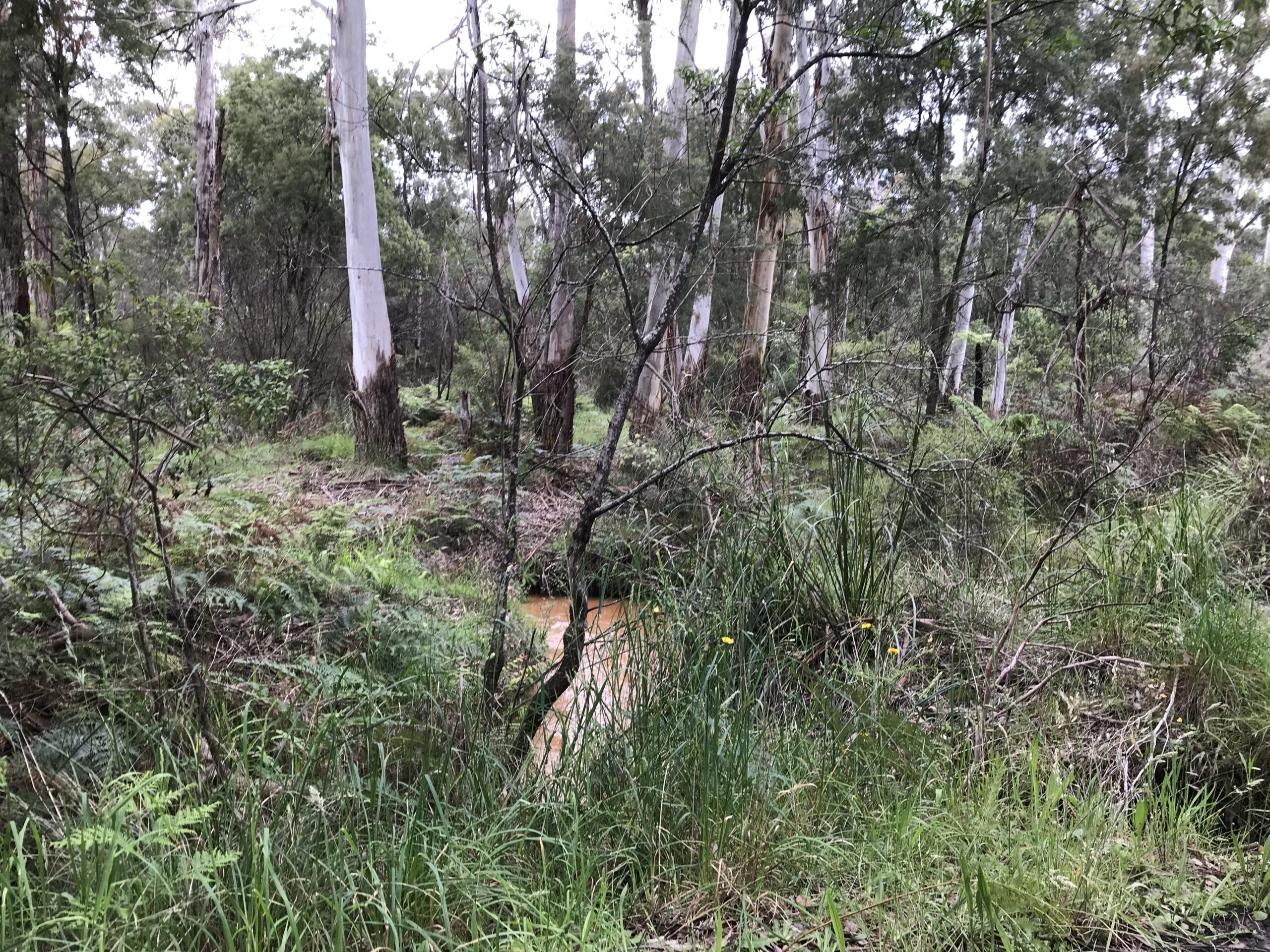
    Now, we headed out to the second location, across the other side of the highway from Chiltern and into the Chiltern-Mt Pilot National Park. As we drove on the dusty road, the first thing that came to mind was dry. The eucalyptus trees stood tall as we followed the signs to Honeyeater Picnic Area where Cyanide Dam is located. A Swamp Wallaby hopped a across the road in front of but apart from that, all was quiet probably due to the heat. We pulled up to a couple of picnic tables and a sign board telling us that the Cyanide Dam was a 500m walk. With that in mind, I crossed my fingers and headed off.

    The first thing that struck me was the fact that the dam was empty. “Well that’s not going to attract many birds” I said. With that note however, a Superb Fairywren trilled and a Eastern Spinebill struck up a song. A Yellow-faced Honeyeater called in the distance as we kept on marching forward. A Striated Pardalote called briefly and a Grey Fantail flew about. We walked over a small wooden bridge over a very dry creek. And ended up back in the picnic area. We sat down for a cool drink and to see of any other birds showed up.
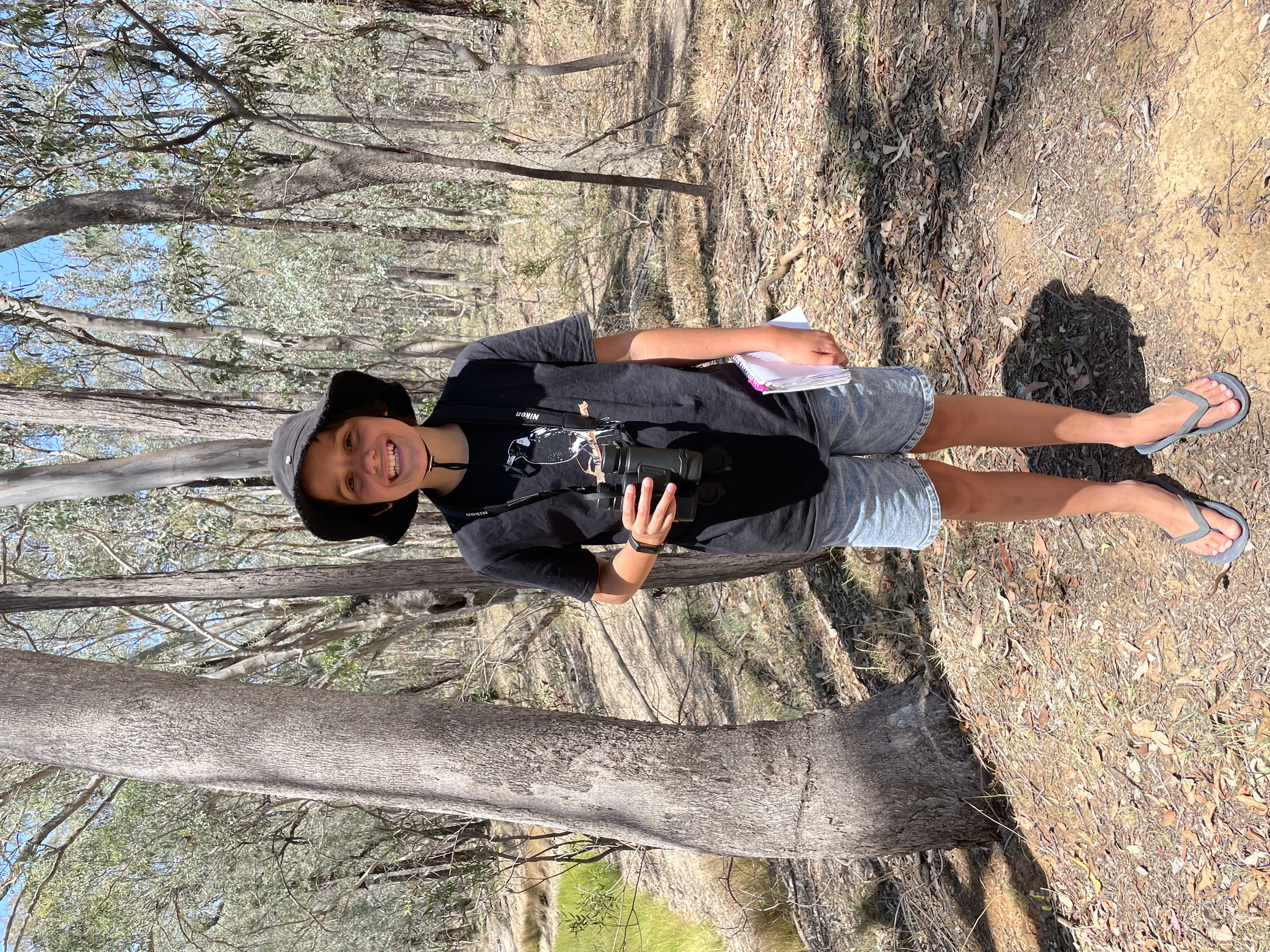
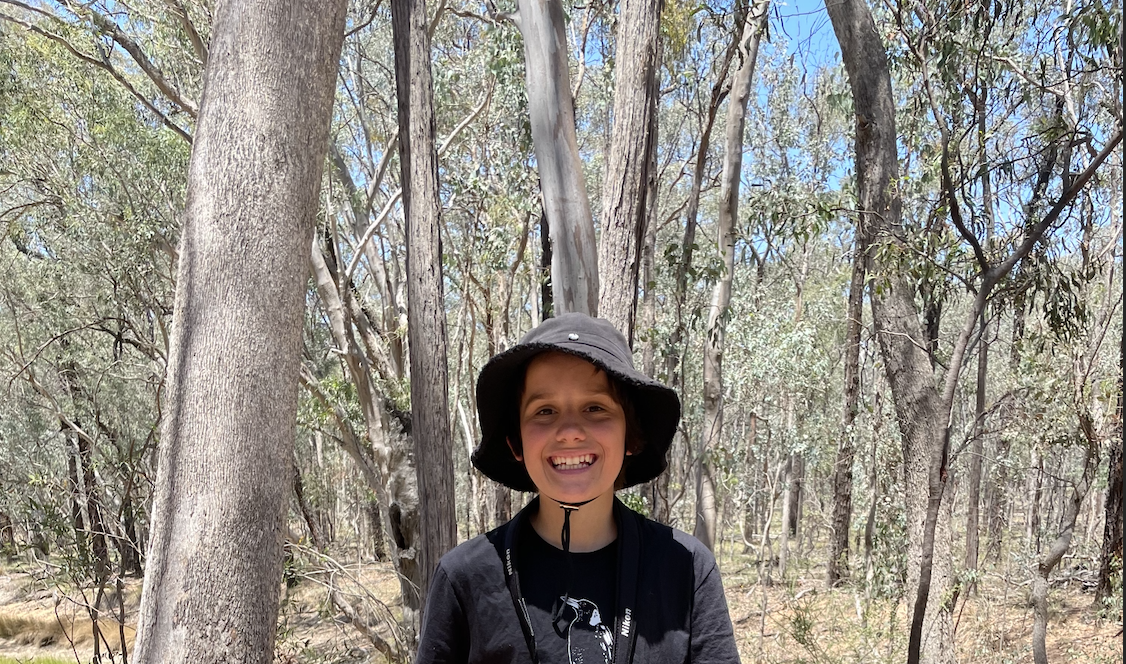
    Coen at Cyanide Dam

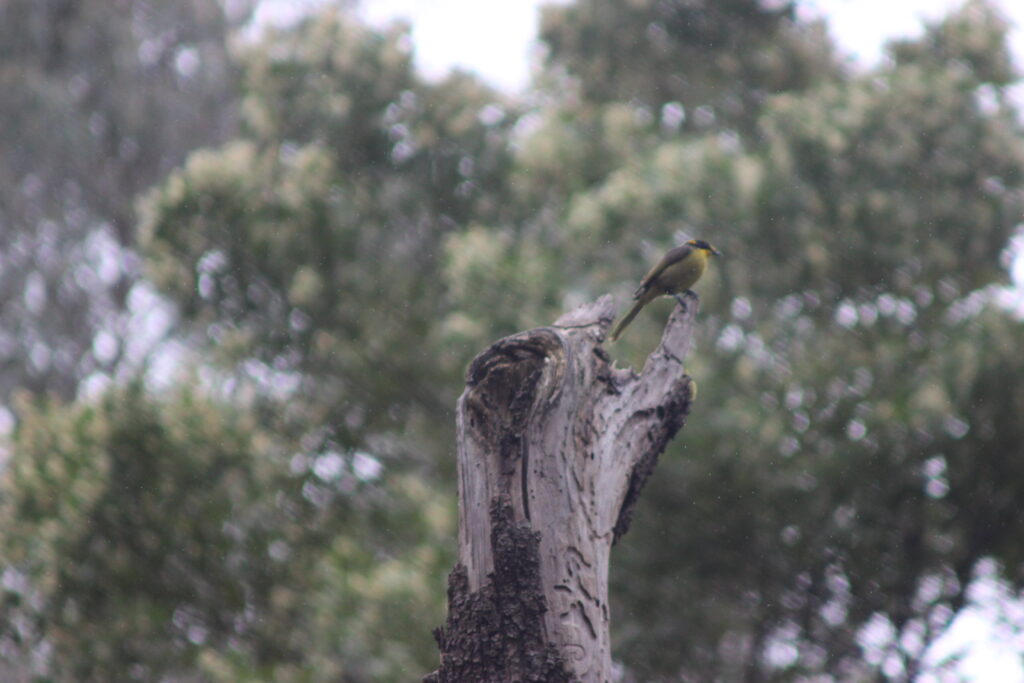
    Looking around, the tall Box-Ironbark Eucalyptus Trees looked over us as we sipped from out water bottles. They looked like a snake, shedding their bark. Then, something caught my attention! A black and yellow bird, the same colours as the Regent Honeyeater! “Could it be??” I exclaimed as I focused my binoculars. But no, it was a Yellow-tufted Honeyeater, feeding. As I continued to scan around an Australian Raven cawed (the most common corvid in this area) and a Rufous Whistler sung. Three White-plumed Honeyeaters flew about us curiously. I watched them playing for a while before we had to continue on our way home.

    But, as we drove out a saw a family of White-winged Choughs playing near the road. That was my second lifer of the day! White-winged Choughs looked like a raven with a hooked beak and white under their wings which is revealed when they fly. I also love how they are always in family groups. And with that, we left Chiltern.


    Check out the eBird checklist for Chiltern-Mt Pilot National Park – Honeyeater Picnic Ground
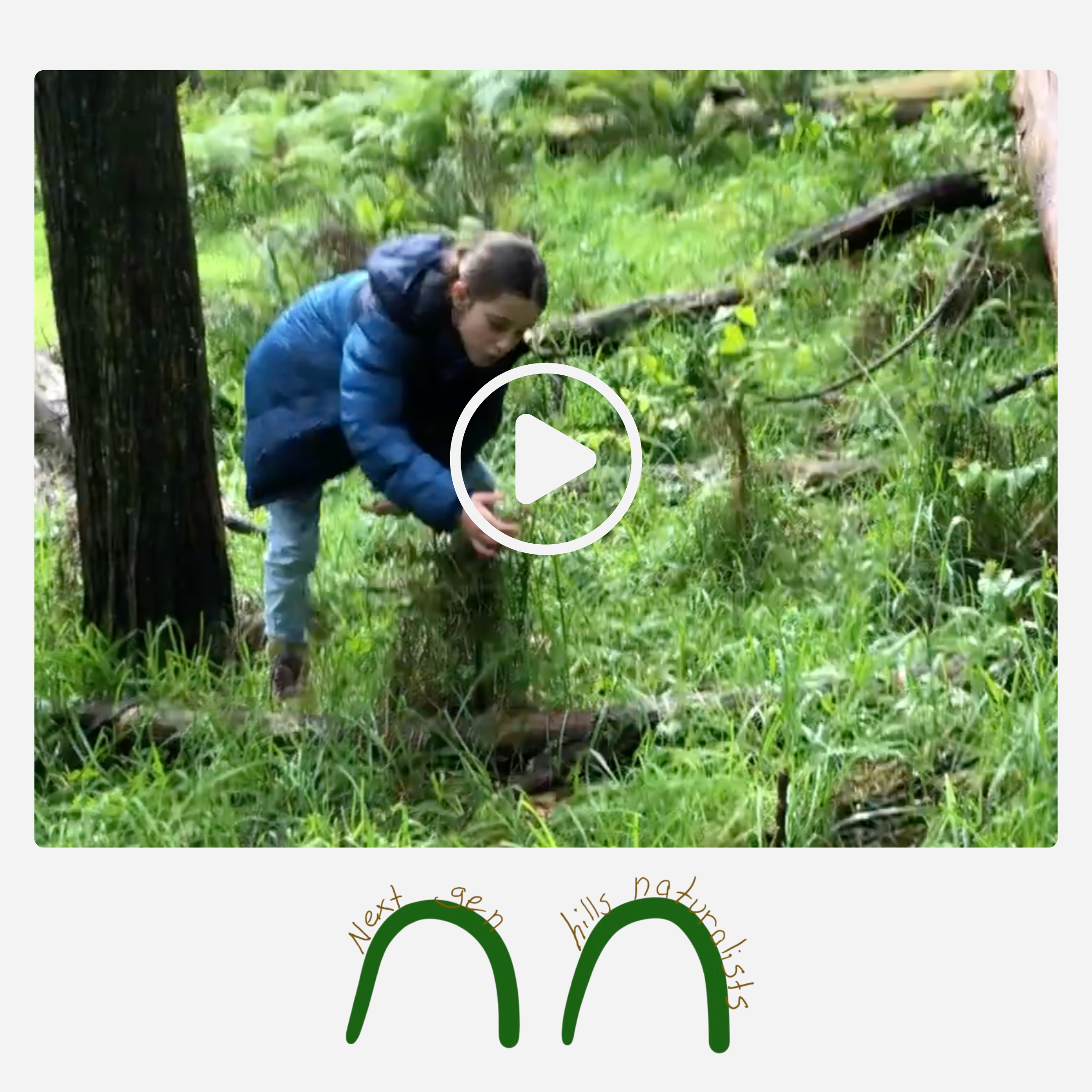

  • Eve’s Animal Encounters, Episode 1.

    Eve’s Animal Encounters, Episode 1.

    Eve is heading into the forest, exploring deer tracks, searching for wombat holes and marvelling at the forest. Watch below!


    Credits

    Starring Eve

    Filmed by Coen

    Produced by Coen


    Subscribe to the Next-gen Hills Naturalists.

  • 2nd of December, Stringybark Creek Nature Trail

    2nd of December, Stringybark Creek Nature Trail

    This short story/guide on how to go birdwatching at the Stringybark Creek Nature Trail in Wandin.


    We arrived on a cool overcast at the Stringybark Creek Nature Trail and was greeted by calling Superb-fairy Wrens and Grey Fantails.

    We headed off a muddy track on the left hand side (Bailey Rd side). Walking along a beautiful creek with thick scrub and tall tress around us.

    Bell Miners made their classic ‘ping’ call above our heads, Yellow-faced Honeyeaters flew about and Red-browed Finches hopped onto the trail daringly. Male and female golden whistlers where heard and seen, Brown Thornbills chattered and Eastern Yellow Robins watched us silently from the shadows.

    Common Blackbird’s and Spotted Pardalotes where heard. A wedge-tailed eagle circled overhead. Eastern and Crimson Rosellas as well as King Parrots. I spotted an White-plumed Honeyeater which was a new bird for my local big year.

    I heard an Rufous Fantail, Rufous Whistler, Grey Butcherbirds and Silvereyes while a Little Raven flew over. Spotted Dove hooted from the neighbouring paddocks and a Black-faced Cuckoo Shrike flew into treetops.

    The walk one way up the trail was around 1.85km. The Warburton-Lilydale Rail Trail runs next to the carpark if you prefer a ride.

    Full the full eBird checklist here.


  • 15th of November, Lilydale Sewage Treatment Plant

    15th of November, Lilydale Sewage Treatment Plant

    Birdwatching at the Lilydale Sewage Treatment Plant was a must for my local big year. As the number one hotspot in the Yarra Ranges on eBird, I had to plan a visit.


    When I arrived in Lilydale, I turned down Nelson Street. On your right hand side, you will see the Yarra Valley Trail heading towards Coldstream. Since there is no public access to the Lilydale Sewage Treatment Plant, this is the best option. The trail runs parallel to the plant with views to the ponds. This is where the birds are.

    As I walked down the flat gravel trail, the open paddocks to my right where full of Common Starlings, Common Mynas, Little Ravens and Noisy Miners. On my left (the sewage ponds side) there was tall fence, disabling view into the area where the buildings are located. There are medium sized gum trees with Galahs, Grey Butcherbirds and more Noisy Miners.

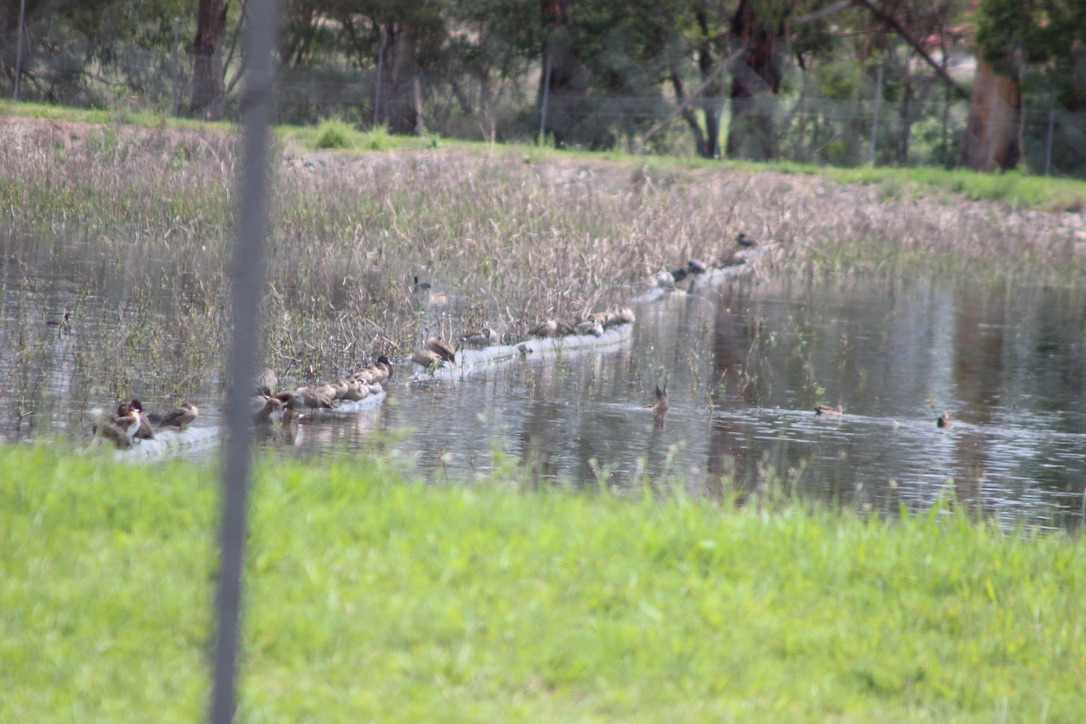
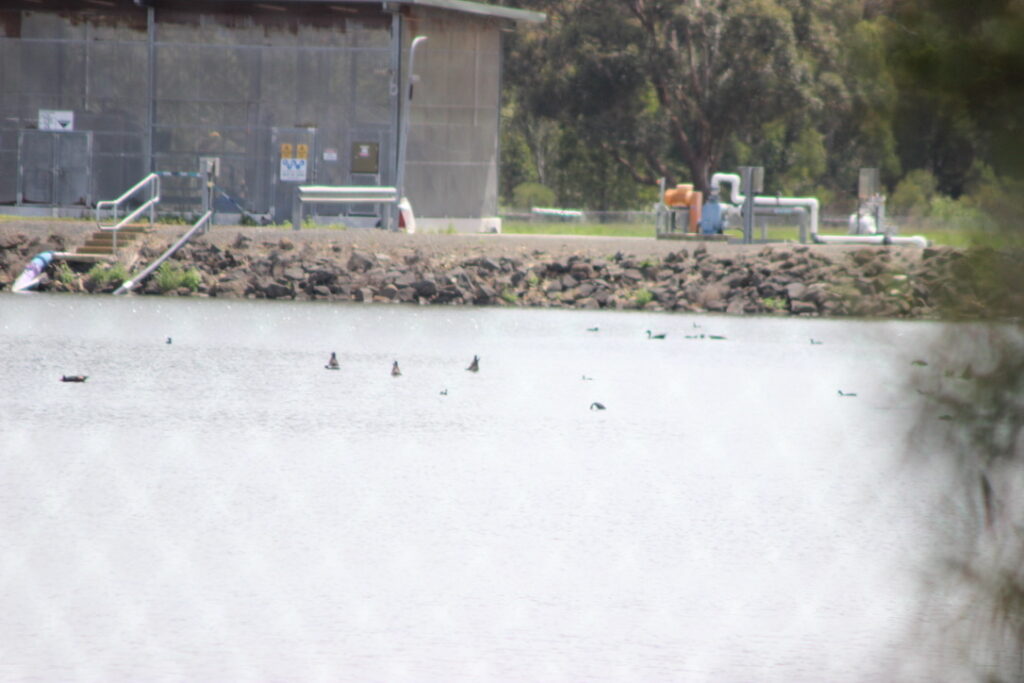
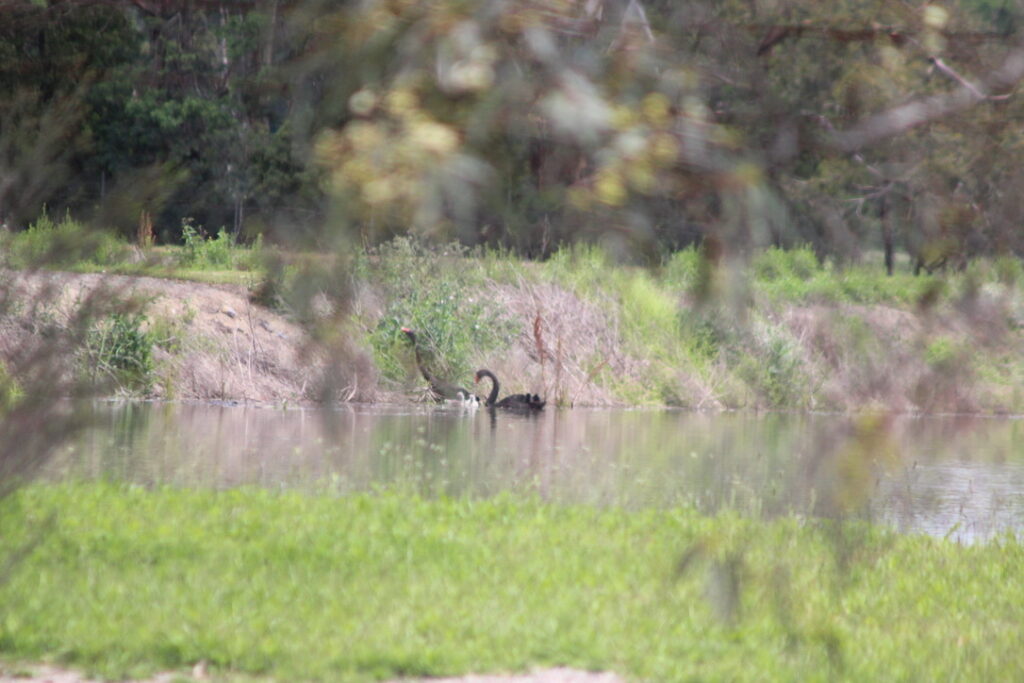
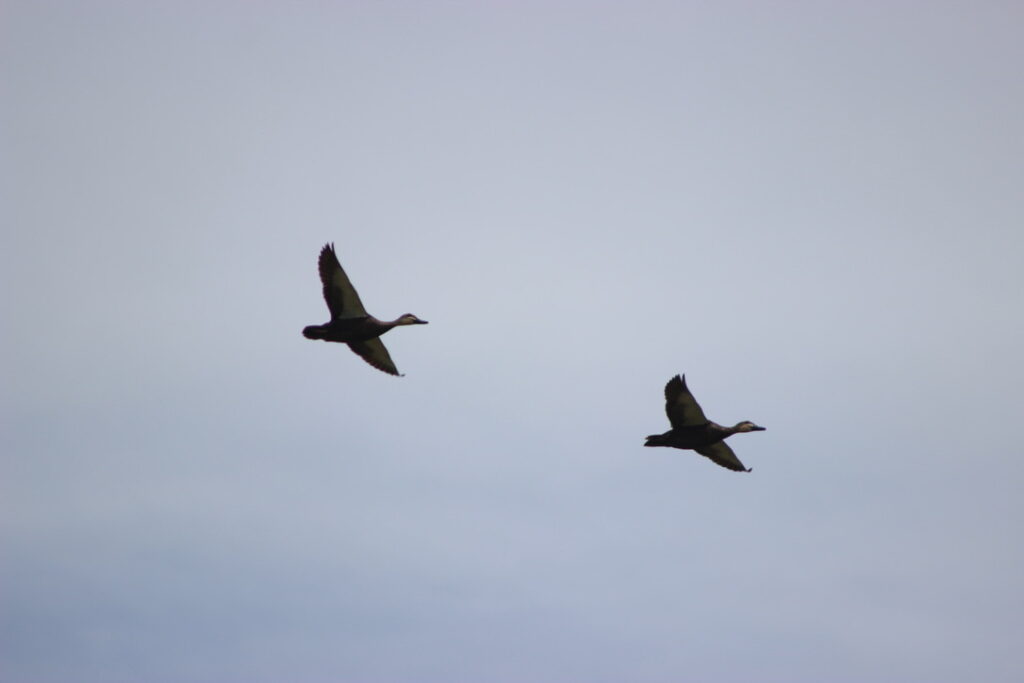
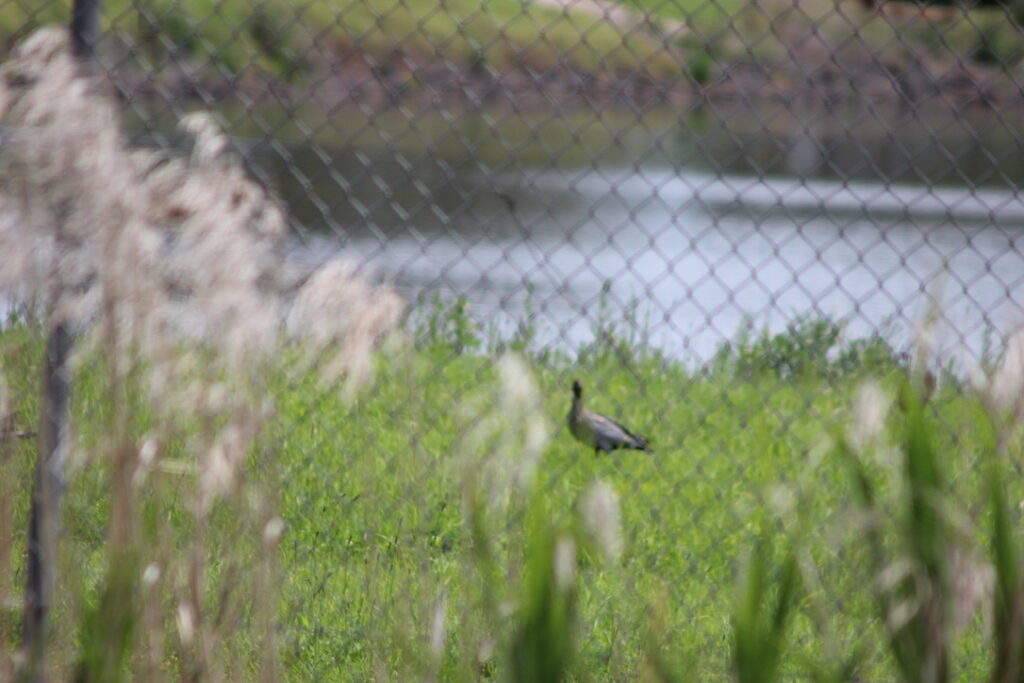
    Walk along a little further, and you can see through the fences the sewage ponds. Full of Eurasian Coots, Grey and Chestnut Teals and Hardheads swimming about. Australian Shelducks turn upside down and Black Swan sail gracefully through the water. Pink-eared Ducks (a lifer for me) tuck their heads into the body’s, Straw-necked and White Ibis sit on the banks with Masked Lapwings huddled behind. Pacific Black Ducks fly over, Wood Ducks waddle and Australasian Swamphens patrol.

    Walk a little further and there is a viewing platform looking across a pond. Signs there tell you there is Freckled Ducks, but we didn’t see any. I couldn’t see many of the birds at the back as I left my binoculars in the car (the camera couldn’t reach that far).

    In the reeds alongside there where very noisy Australian Reed Warblers and chatty Superb Fairy Wrens.

    Watch this video to learn more about the Aussie Bird Count.

    What happened last year?

    More than 57,000 participants counted an astonishing 4.1 million birds as part of the week-long national event in October last year. View the full results here .

    How else can I do citizen science?

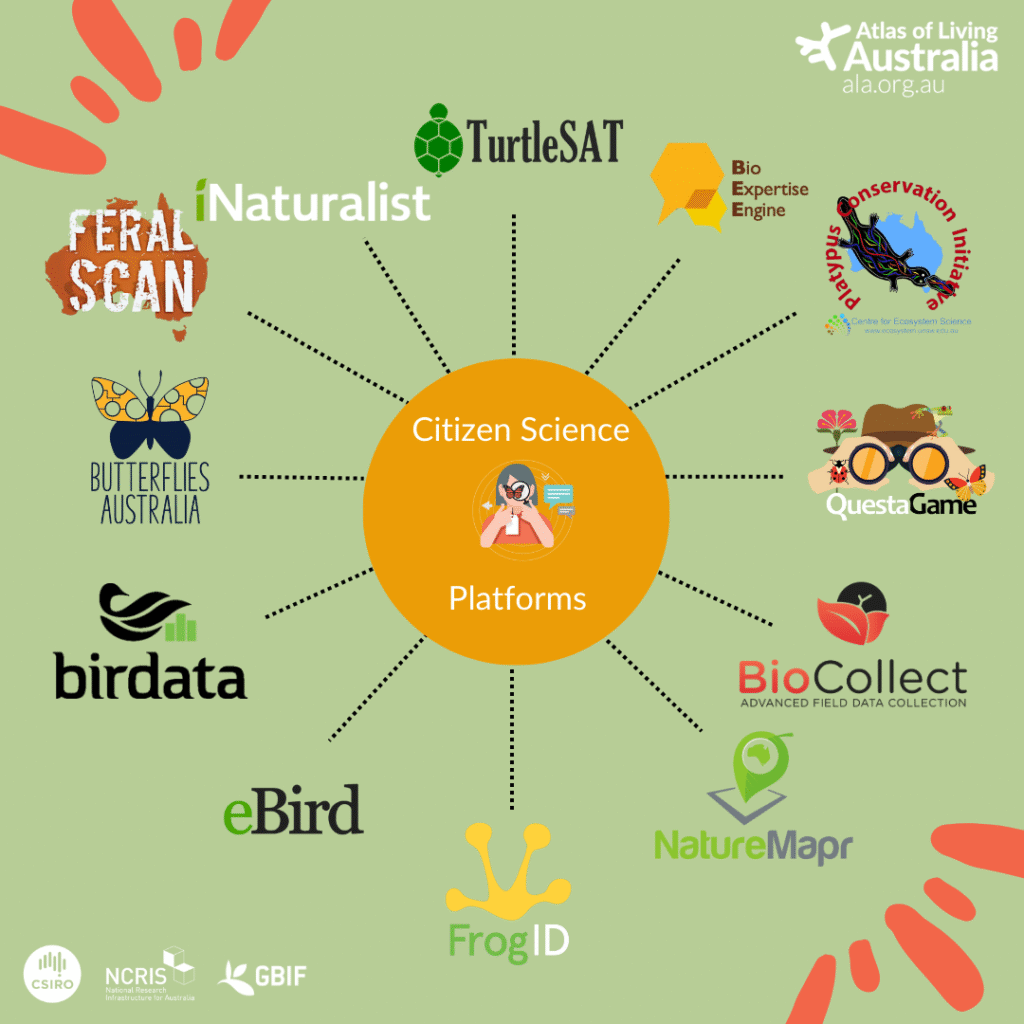
    As aftermore metionted, upload your organism photos to iNaturalist to contribute to the Atlas of Living Australia, which is used by governments and decision makers.

    If you are an have a bit more experience as a birdwatcher, consider uploading your sightings to Birdlife Australia’s Birdata or eBird (both contribute to the Atlas of Living Australia)

    More ways to contribute to citizen science

    For more, check out Parks Victoria’s page on Citizen Science and the Atlas of Living Australia’s page on more ways to contribute. Happy counting!

  • October Newsletter Update

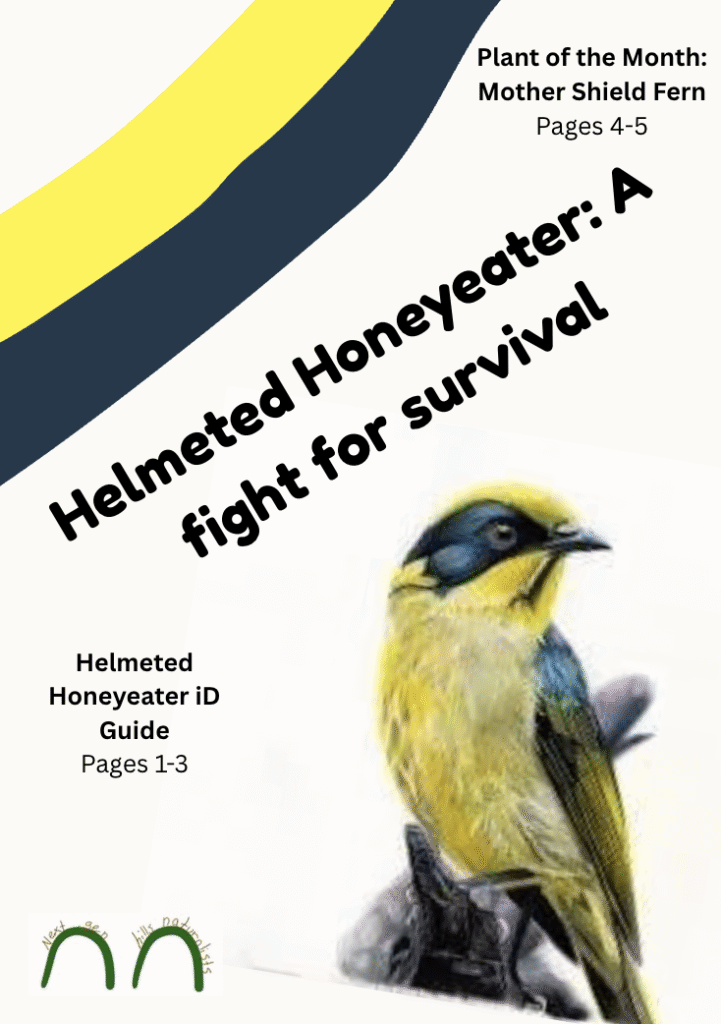
    For our first newsletter, we are hard at work writing and researching Victoria’s bird emblem the Helmeted Honeyeater. This critically endangered bird only lives in a small patch of swampy forest in Yellingbo, Victoria. Did you know there are only 200 left in the wild! We are also going behind the scenes into the tireless work that is done to protect this amazing creature with an interview with the Friends of the Helmeted Honeyeater.

    Helmeted Honeyeater, Yellingbo. Credit: Coen

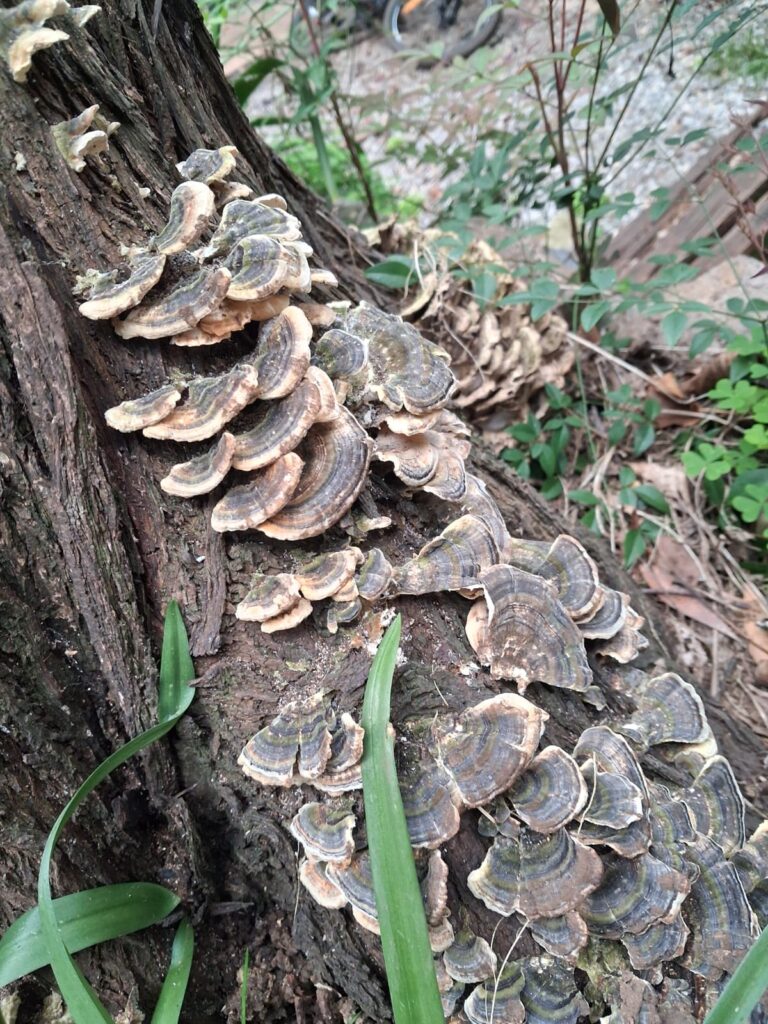
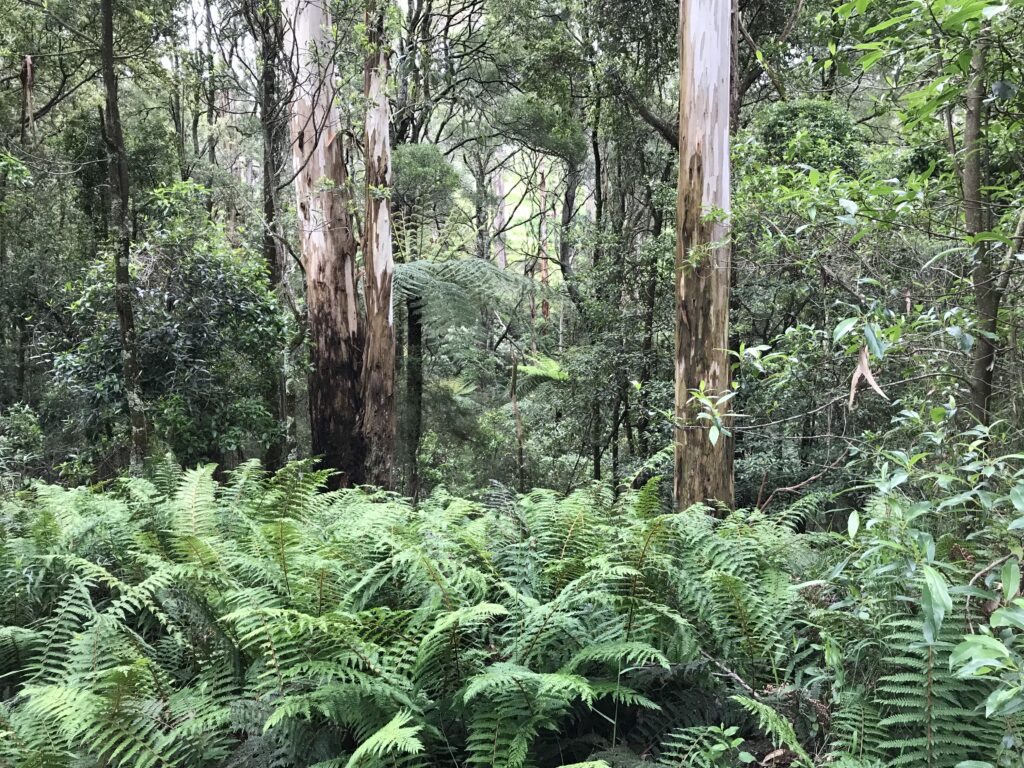
    We have chosen the Mother Shield Fern as the Plant of Month and the Rainbow Bracket as fungi of the month.


    We aim for this newsletter to be released at the end of October, with a podcast following shortly after.

    Front cover of our first edition.